
Article
Capital Area Food Bank & TEFAP
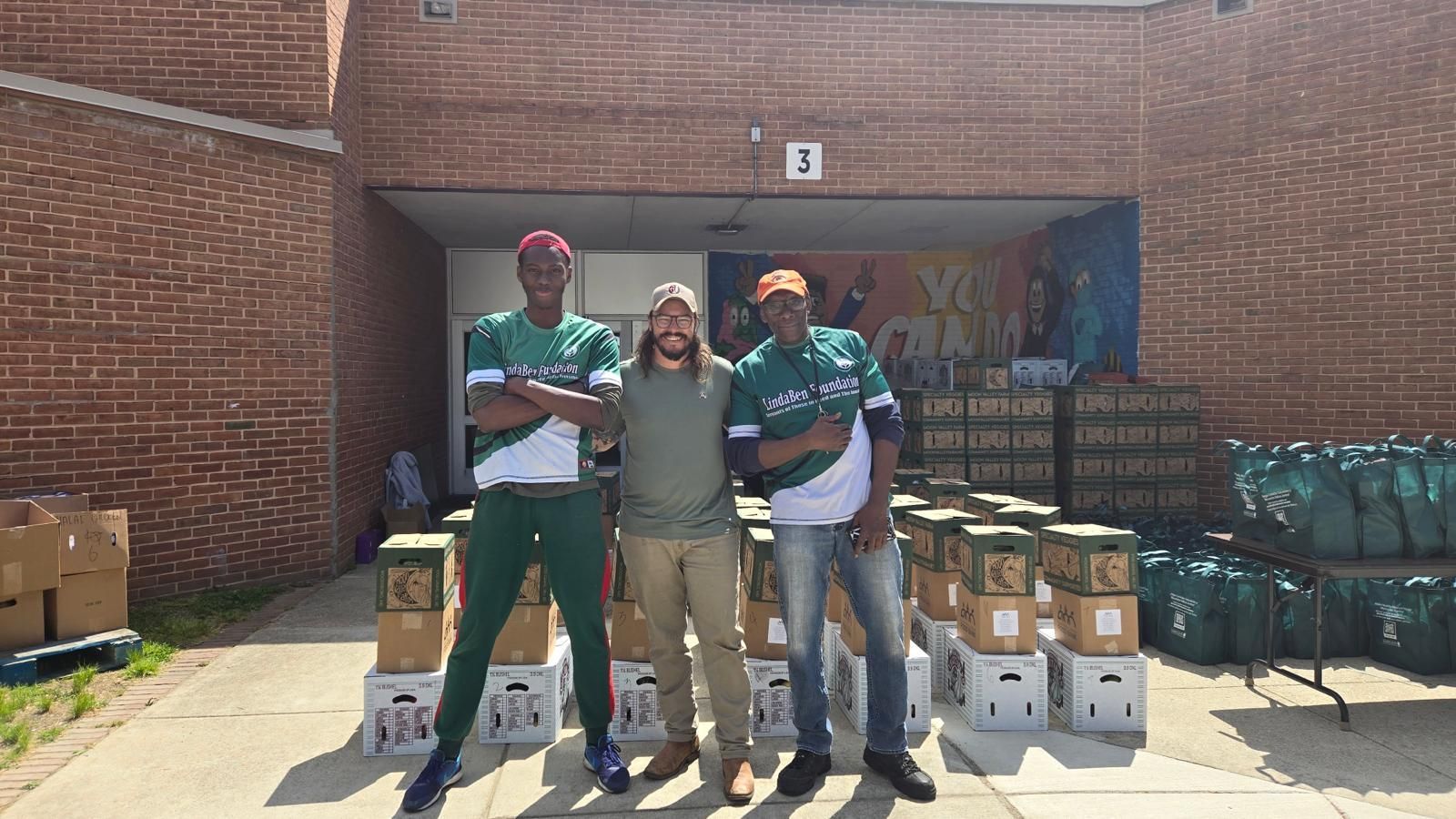
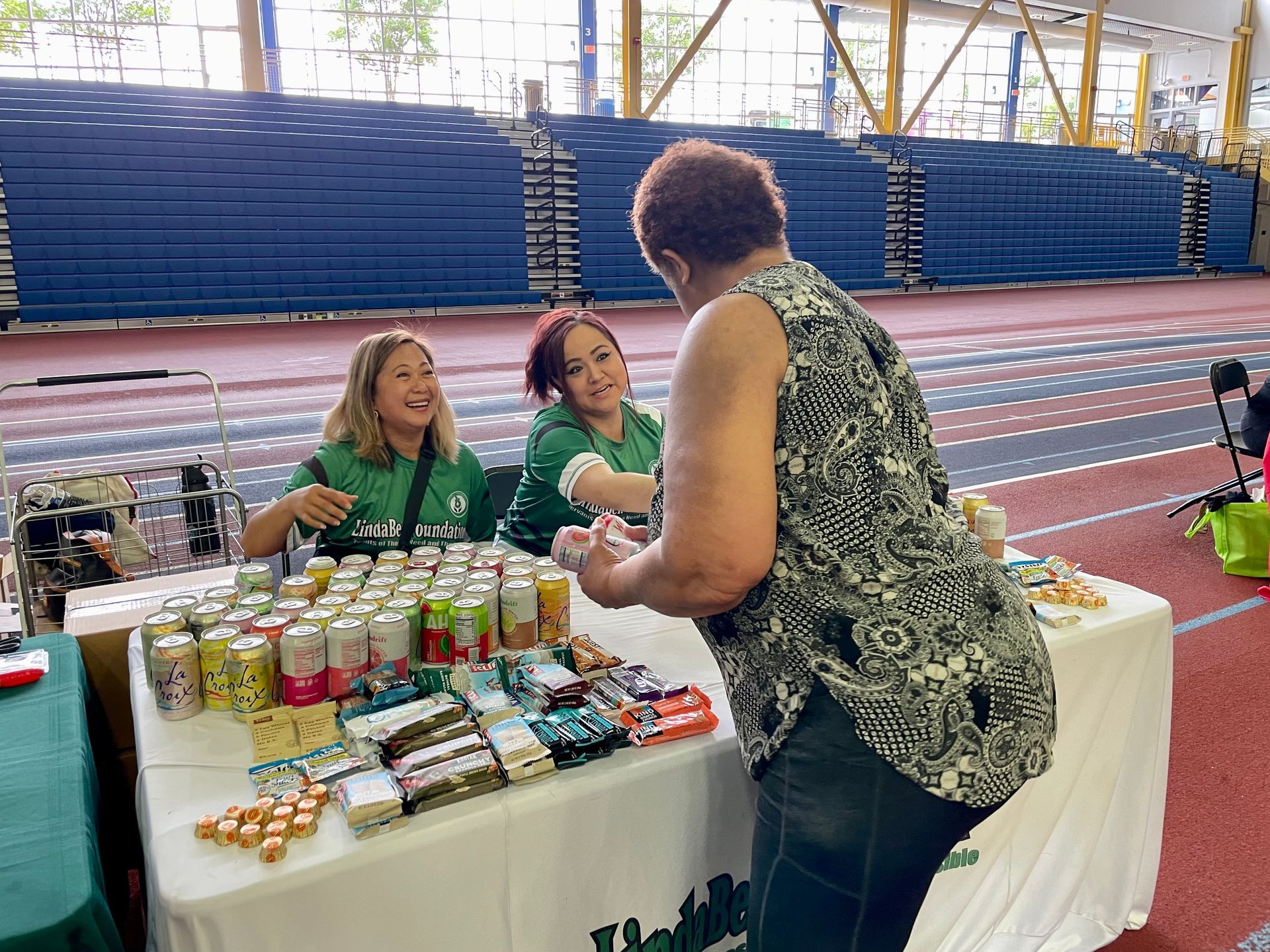
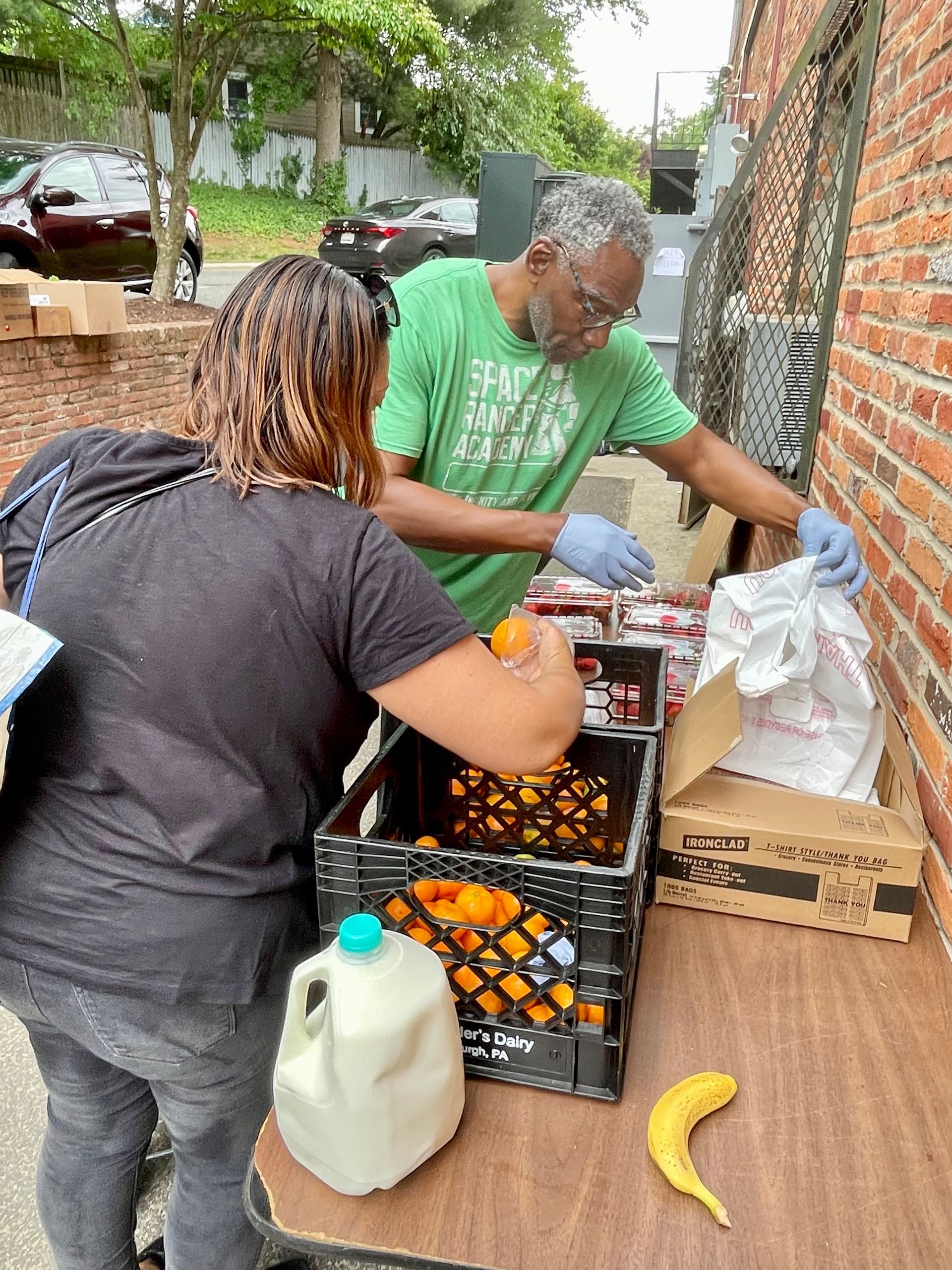
Lindaben has partnered with the Capital Area Food Bank to help The Emergency Assistance Food Program (TEFAF) , a federal program that helps supplement the diets of low-income Americans with emergency food assistance at no cost . USDA provides 100% American-grown USDA Foods and administrative funds to states to operate TEFAP.
Community Pantry Food Distribution and Location Schedule **
** Home Delivery is provided based on emergency need, please contact us for special accommodations:
info@lindabenfoundation.org
3:00 – 5:00 PM
2 nd
& 4 th
Tuesdays each Month
Word of Faith Church (Google Maps)
6001 66 th
Avenue
Riverdale, MD
Food & Diapers Distribution
Open to the Public
11:00 AM – 2:00 PM
4 th
Wednesday each Month
New Carrollton Municipal (Google Maps)
6016 Princess Garden Pkwy
New Carrollton, MD
Food Distribution
Resources
- TEFAP Assistance and Disclosure Application: English Spanish
- LINDABEN – TEFAP Maryland Self Disclosure Form: Click Here
- USDA Justice for All (poster): Click Here
- Look Beyond the Food Date to Waste Less Food: Click Here
A description of the TEFAP process, program, and non-discrimination statement are below. For additional information on participation, eligibility requirements, and TEFAP distributions, please visit the U.S. Department of Agriculture’s site.
The TEFAP Process
TEFAP operates through the combined efforts of federal, state, local government and non-governmental agencies to reach the individuals in a community who are the most in need. First, each year, all states are assigned a specified dollar amount of TEFAP food to “purchase” according to the number of their unemployed and low-income populations. Then, State Agencies partner with organizations such as the Capital Area Food Bank and its partners to distribute this food to address the needs of citizens. TEFAP, in addition to the other programs offered by the Capital Area Food Bank, helps alleviate food insecurity by being an additional assurance that individuals will not be hungry regardless of their current financial circumstances.
About the Program
The Emergency Food Assistance Program (TEFAP) was designed by the United States Department of Agriculture (USDA) to help supplement the diets of low-income Americans by providing them with emergency food and nutrition assistance at no cost. TEFAP through our sponsoring agency partner (CAFB) provides LindaBen Foundation Community Pantry with high quality, retail-size frozen and dry food products for distribution directly to our vulnerable local communities.
The TEFAP program allows us to increase the amount of food we source. TEFAP items include a wide variety of shelf-stable products, as well as fresh foods such as milk, eggs, and proteins. The program is a vital part of hunger relief in our region and across the nation.
USDA Non-Discrimination Statement
In accordance with Federal civil rights law and U.S. Department of Agriculture (USDA) civil rights regulations and policies, the USDA, its Agencies, offices, and employees, and institutions participating in or administering USDA programs are prohibited from discriminating based on race, color, national origin, sex, disability, age, or reprisal or retaliation for prior civil rights activity in any program or activity conducted or funded by USDA.
Persons with disabilities who require alternative means of communication for program information (e.g. Braille, large print, audiotape, American Sign Language, etc.), should contact the Agency (State or local) where they applied for benefits. Individuals who are deaf, hard of hearing or have speech disabilities may contact USDA through the Federal Relay Service at (800) 877-8339. Additionally, program information may be made available in languages other than English.
To file a program complaint of discrimination, complete the USDA Program Discrimination Complaint Form , (AD-3027) found online at How to File a Program Discrimination Complaint , and at any USDA office, or write a letter addressed to USDA and provide in the letter all of the information requested in the form. To request a copy of the complaint form, call (866) 632-9992. Submit your completed form or letter to USDA by:
U.S. Department of Agriculture
Office of the Assistant Secretary for Civil Rights
1400 Independence Avenue, SW
Washington, D.C. 20250-9410
Fax: (202) 690-7442
Email: program.intake@usda.gov
This institution is an equal opportunity provider.
share this
Related Articles